Custom Home Design

Custom homes

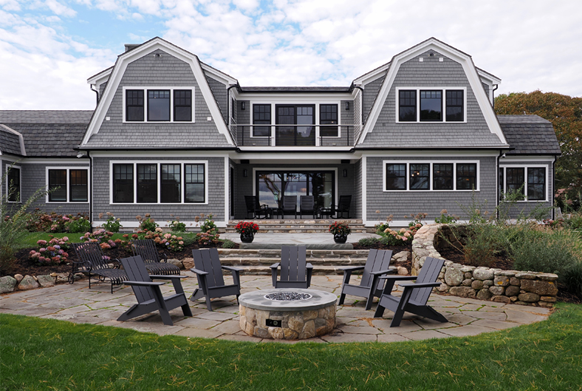
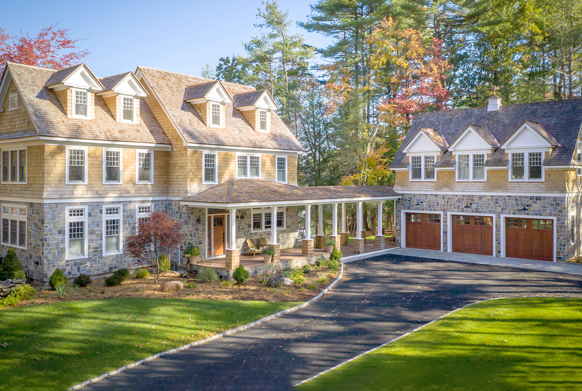
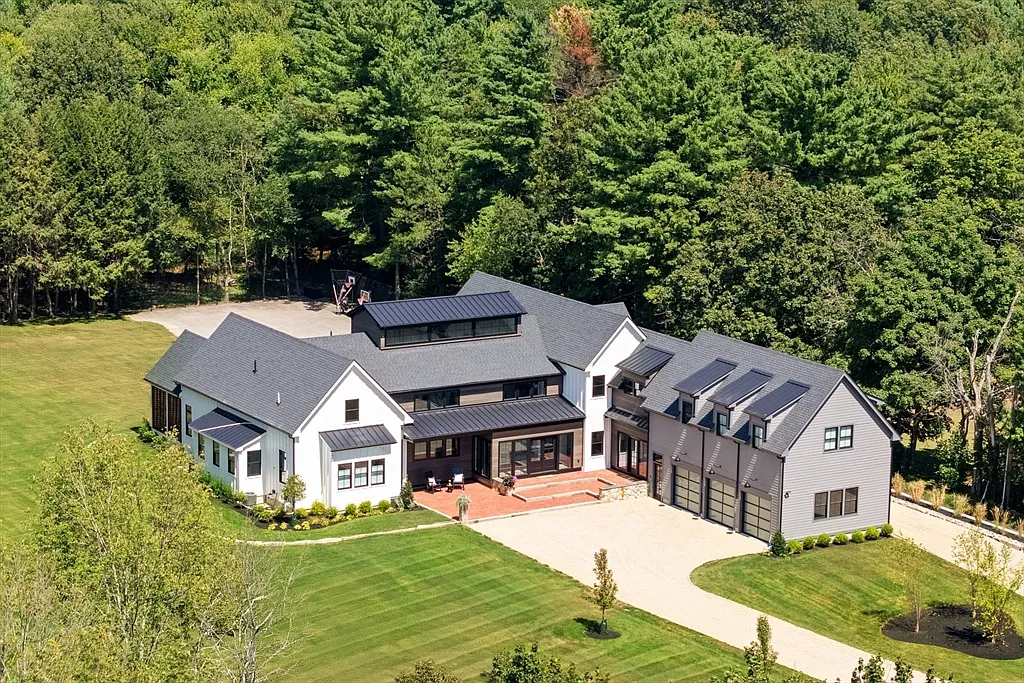
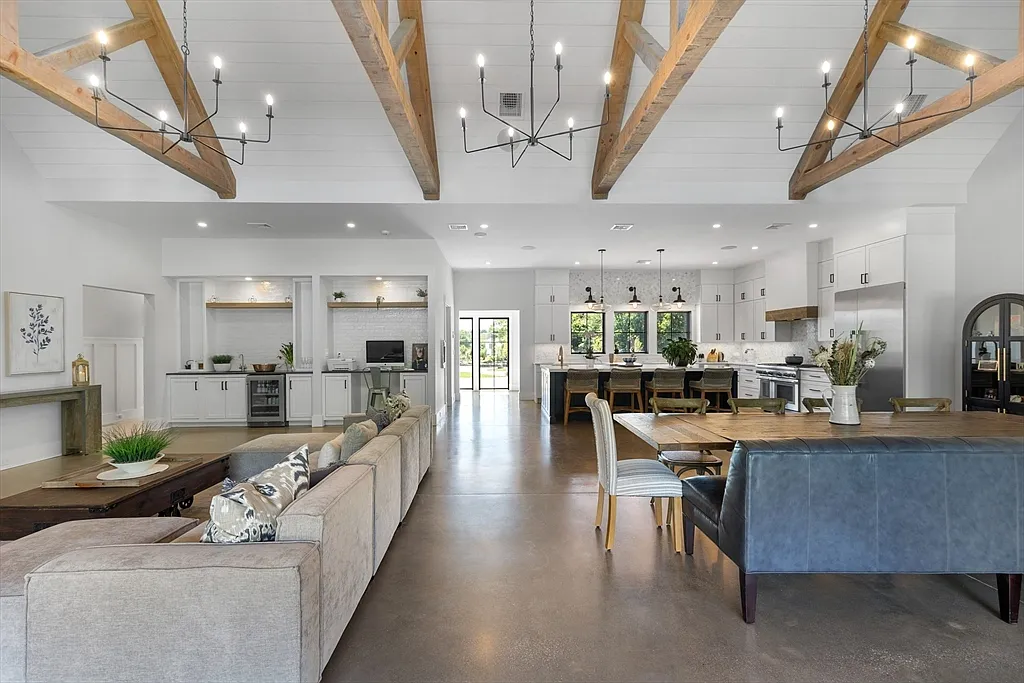
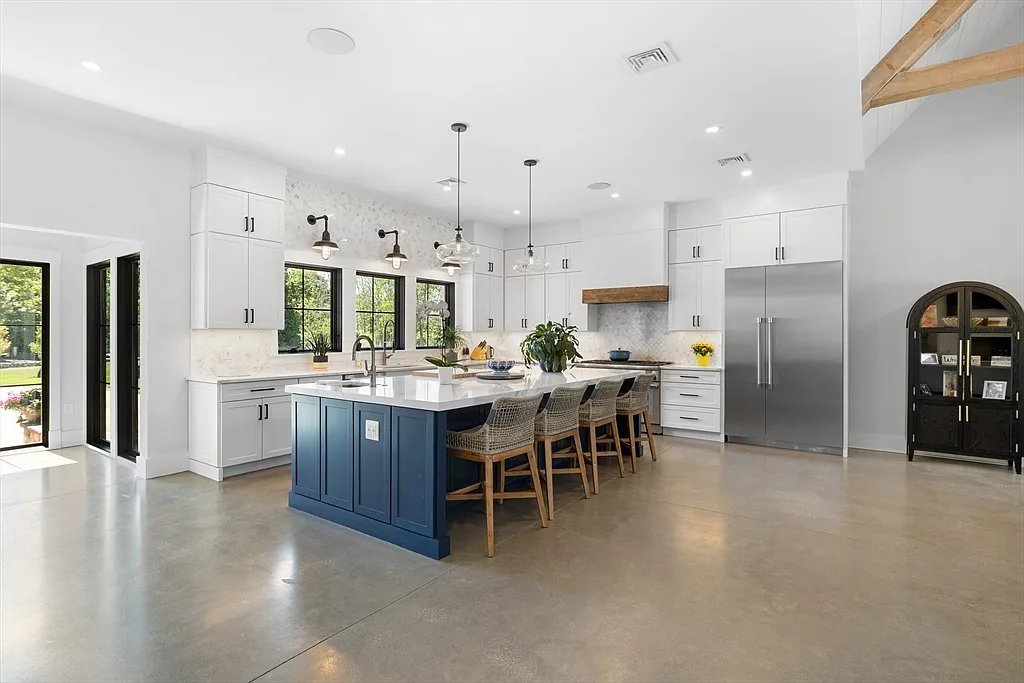
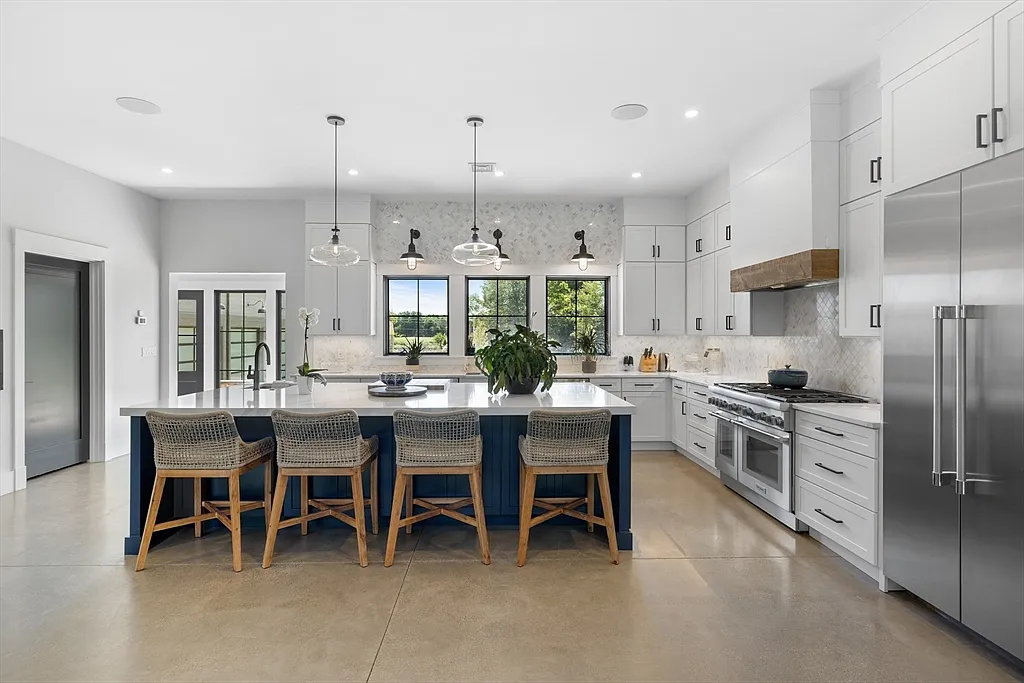
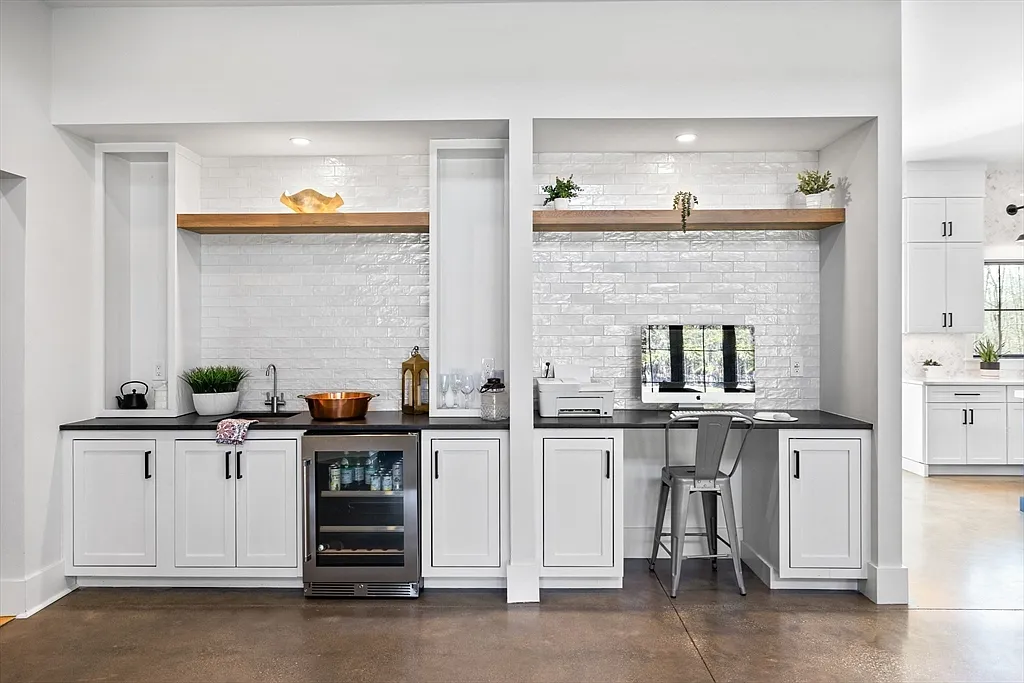
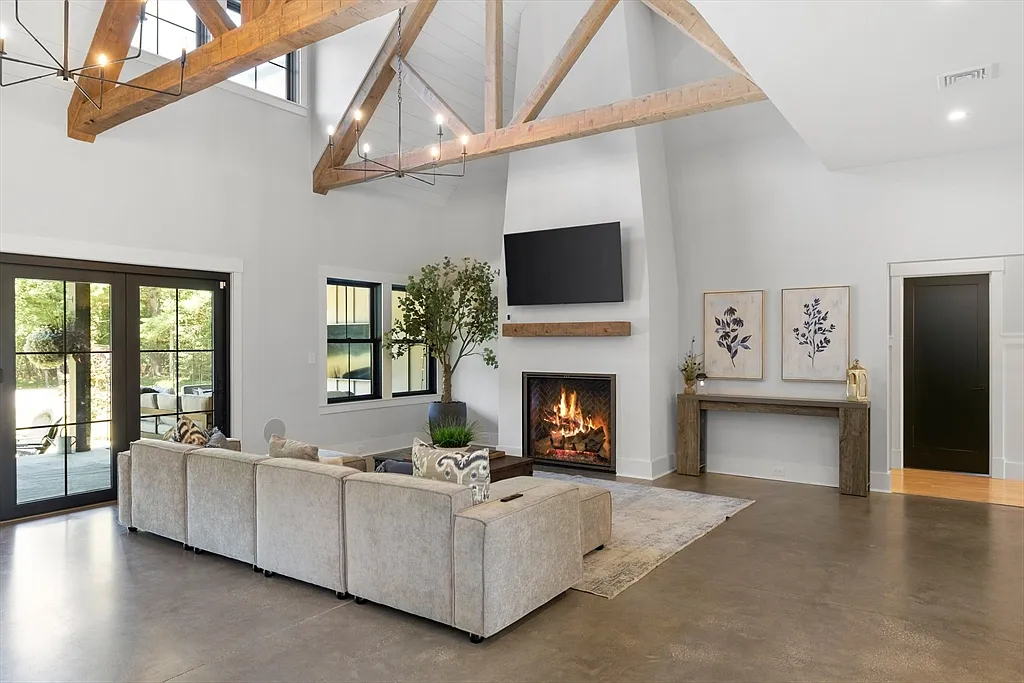
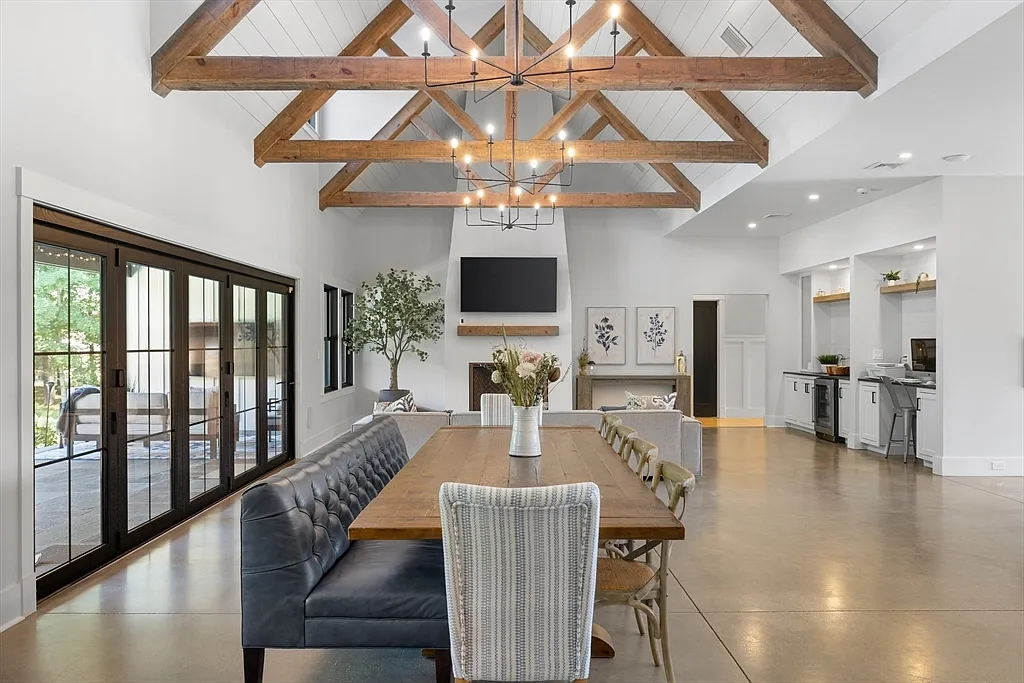
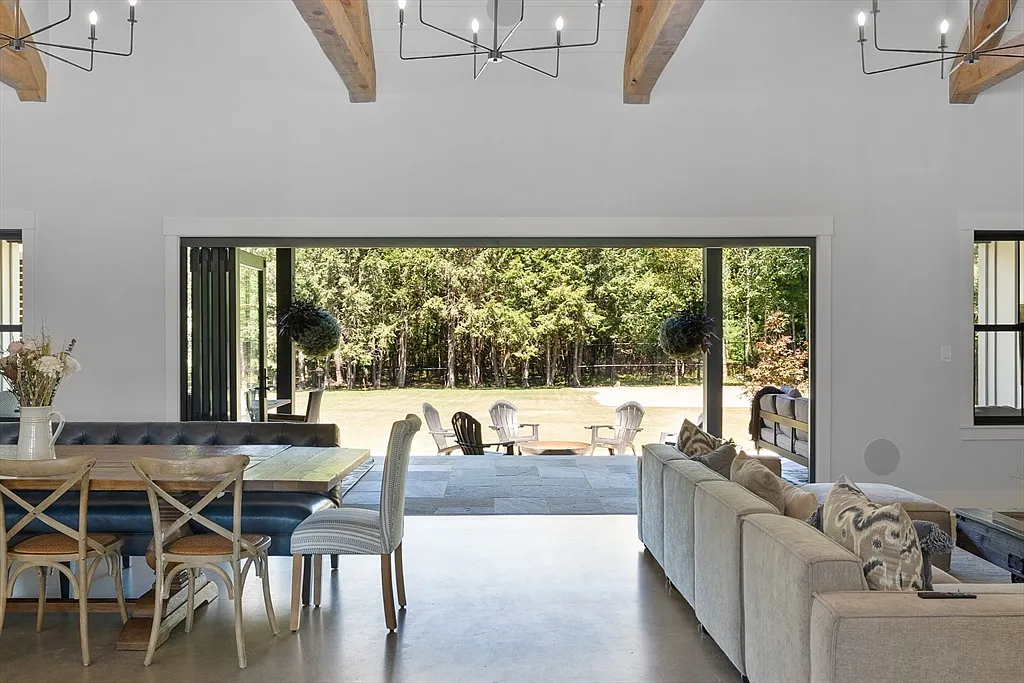
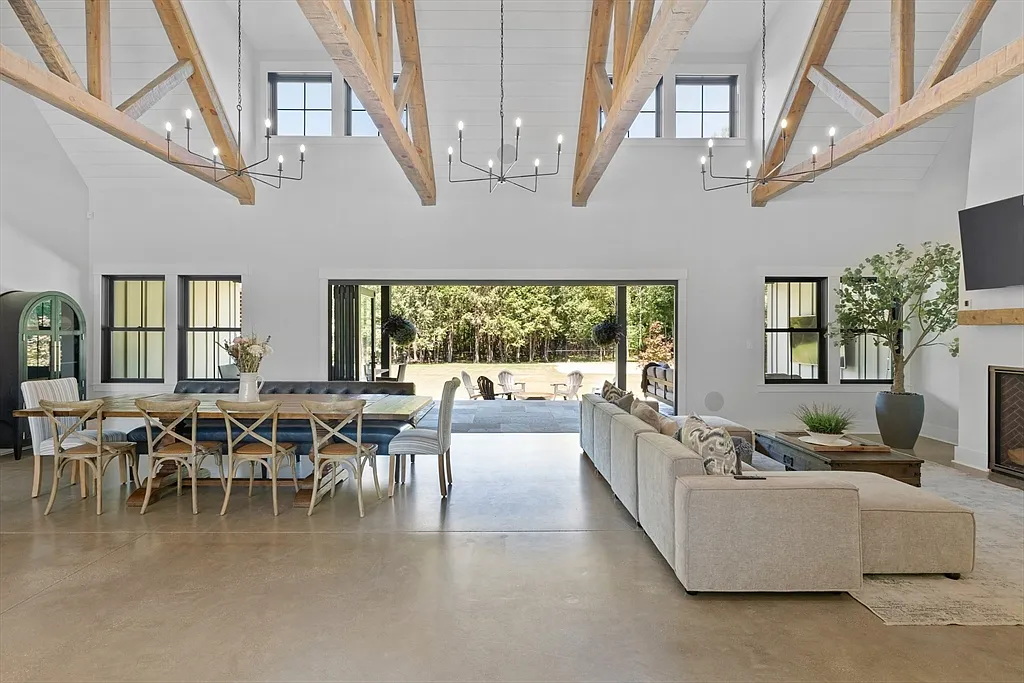
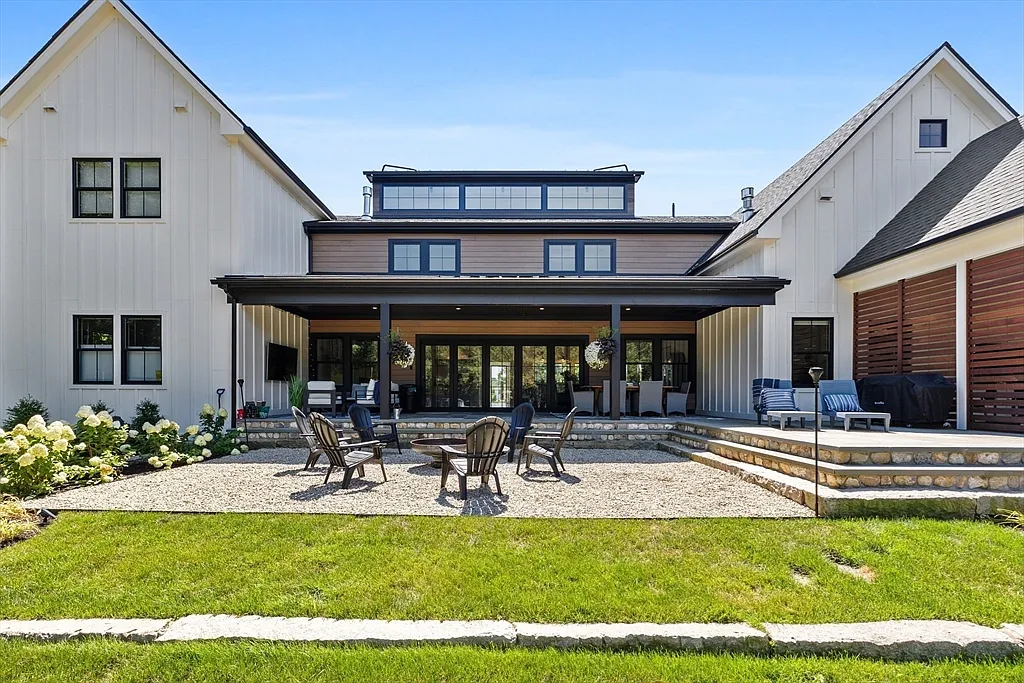
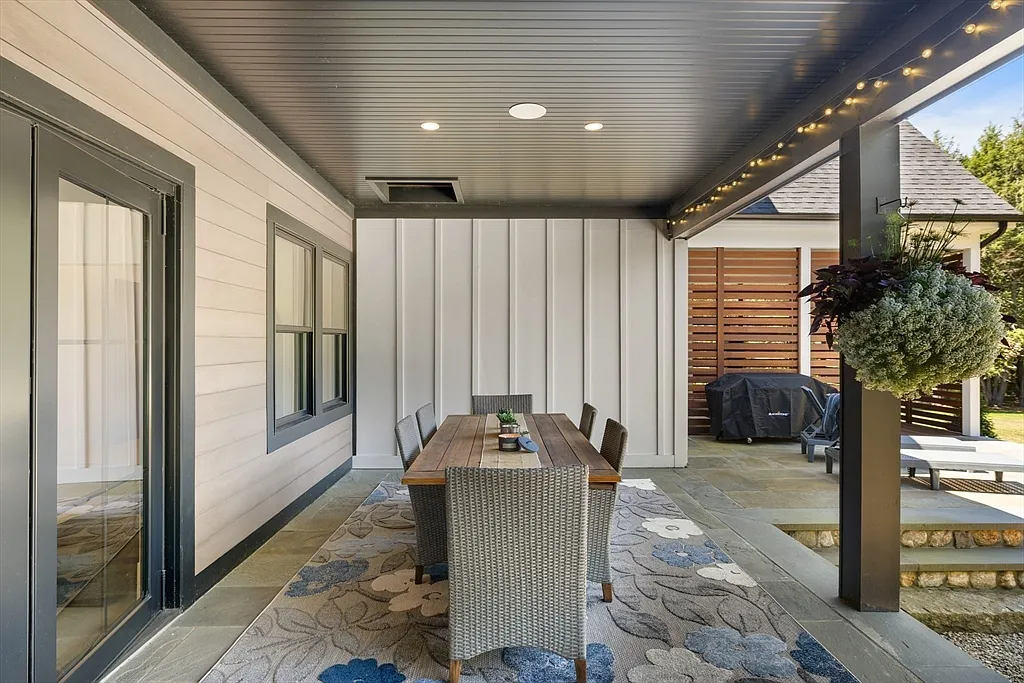
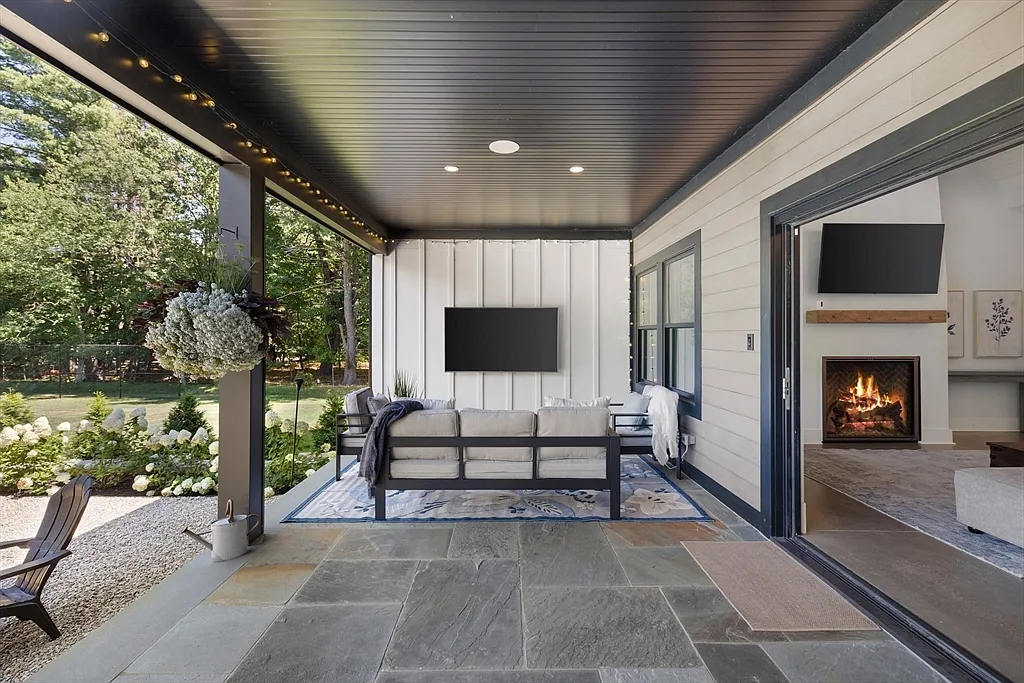
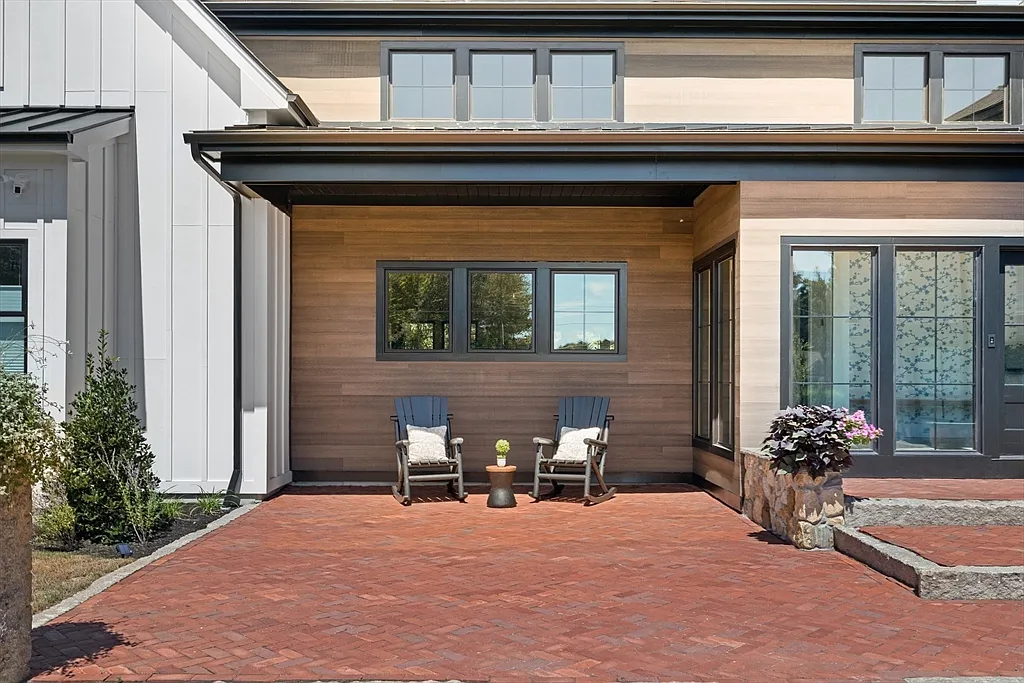
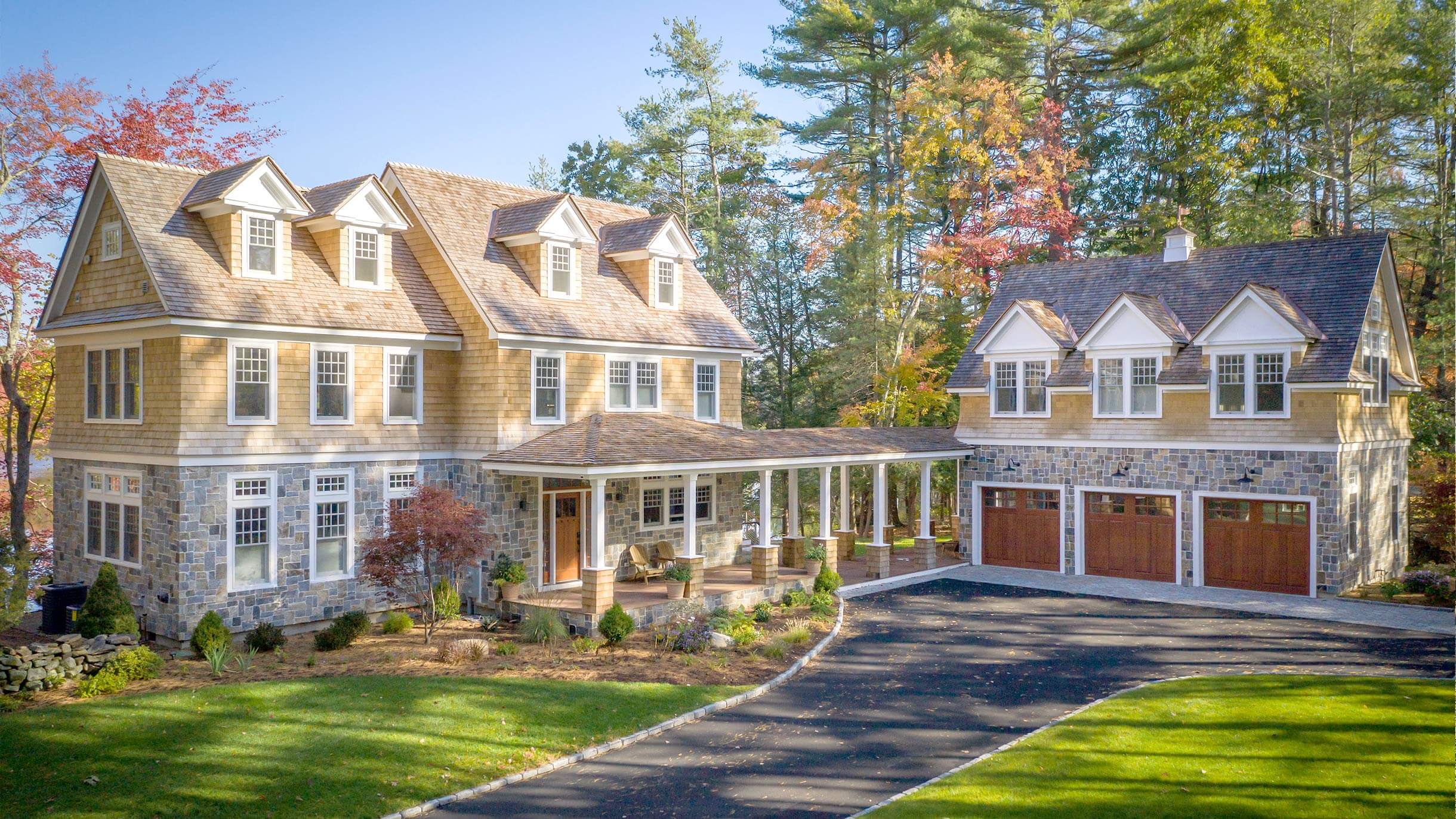
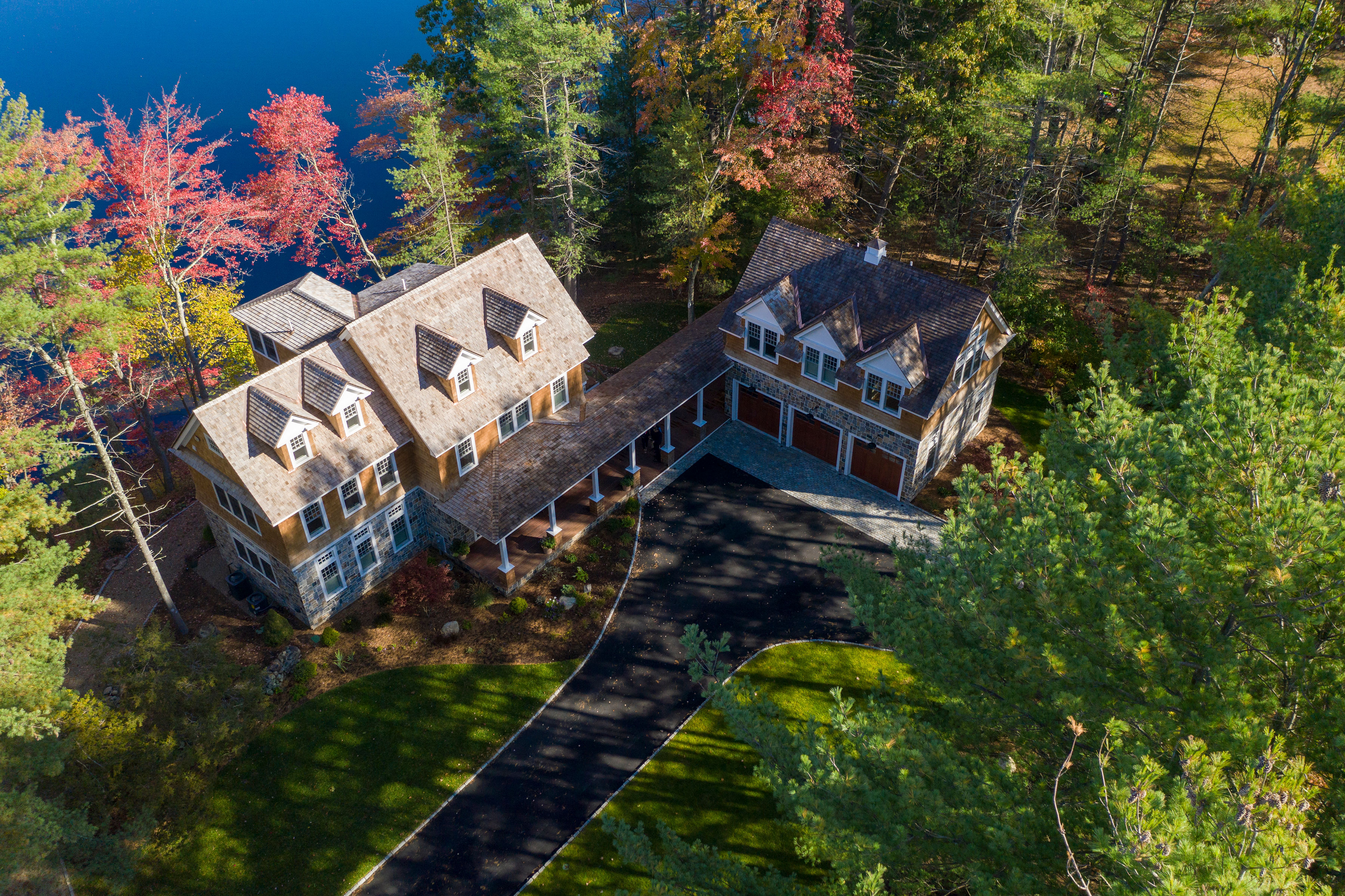
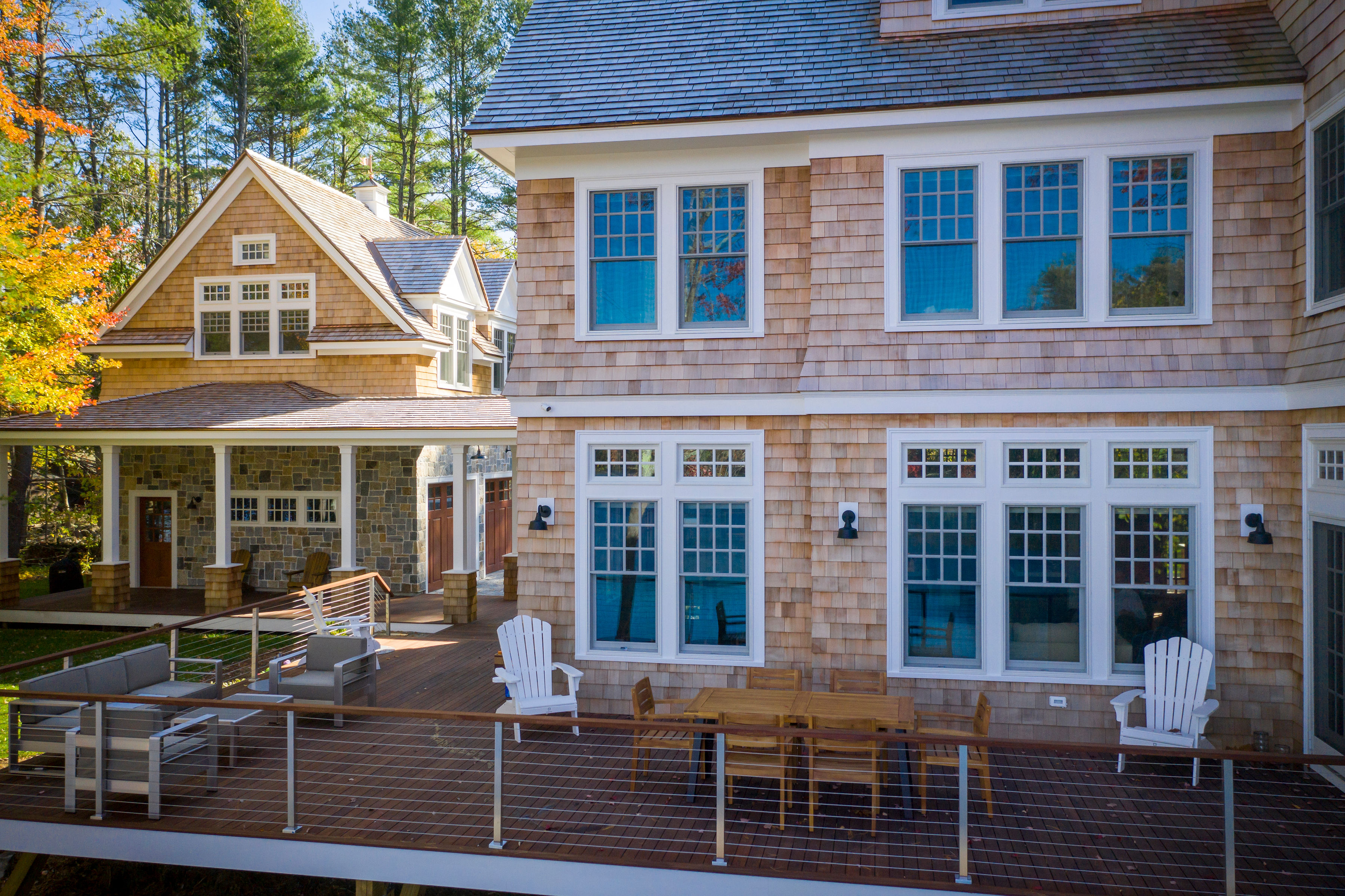
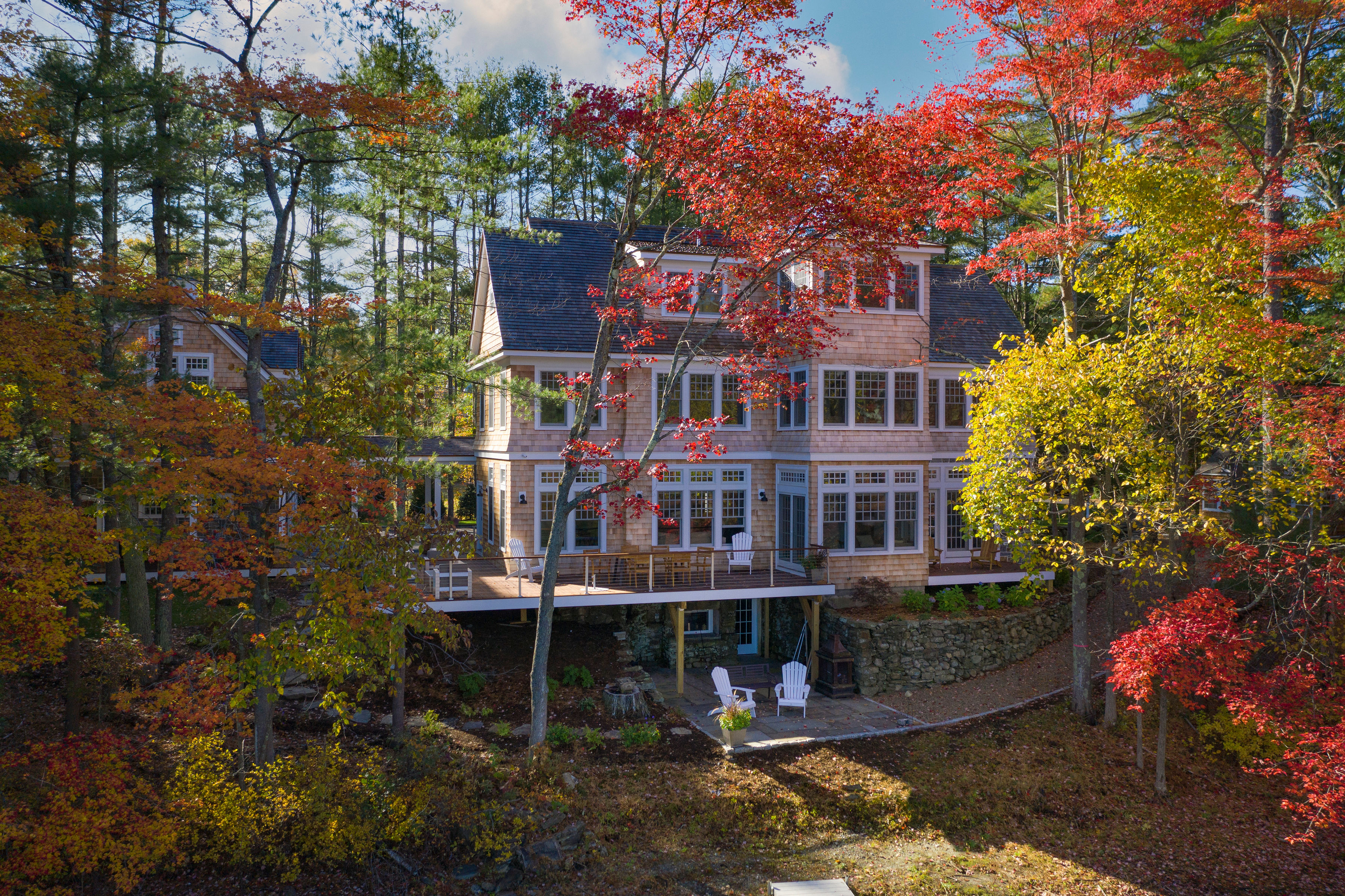
Most homes aren't designed for the people who live in them. A GMT custom home starts with your actual life — how you want to live day to day — and works forward from there. We've designed custom homes across New England for more than 25 years, from traditional Colonials and Capes to contemporary coastal designs and open-plan farmhouses.

The details matter

Custom is in the details

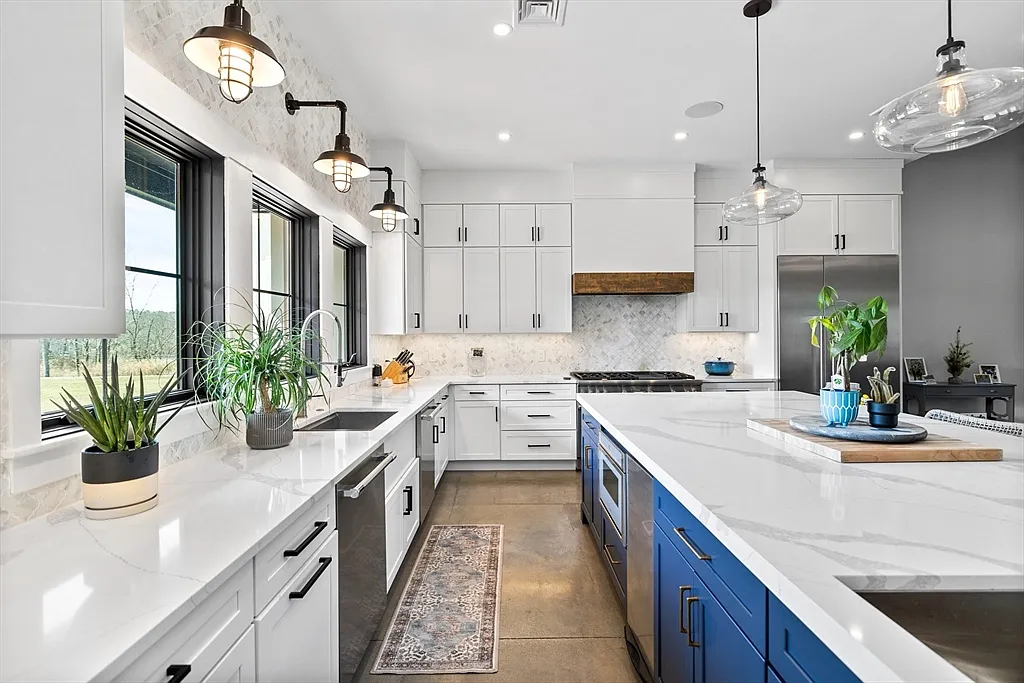
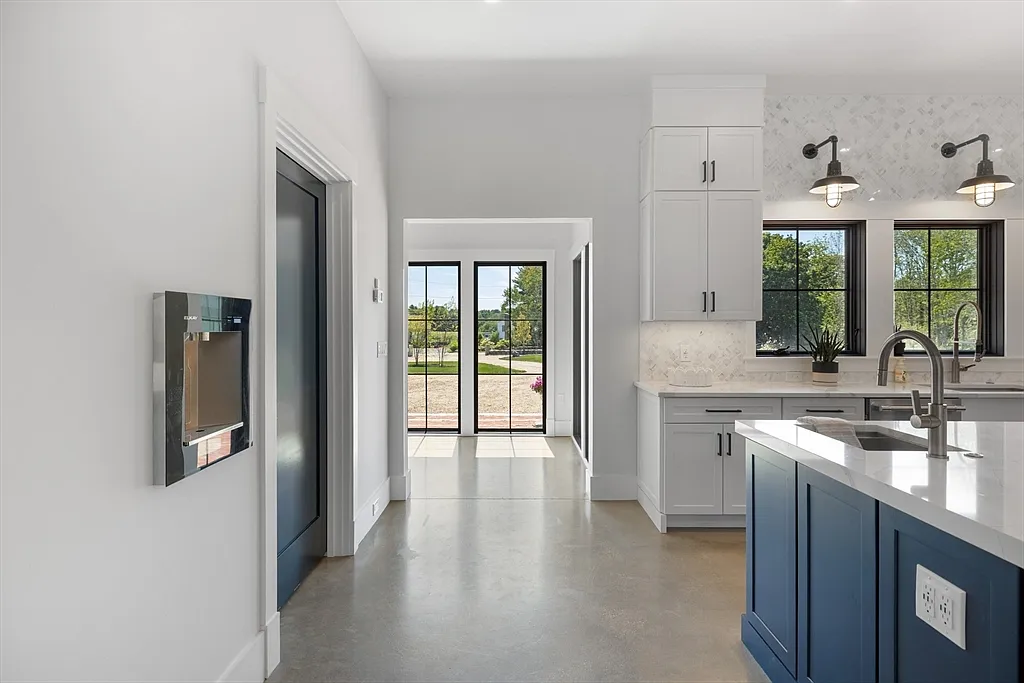
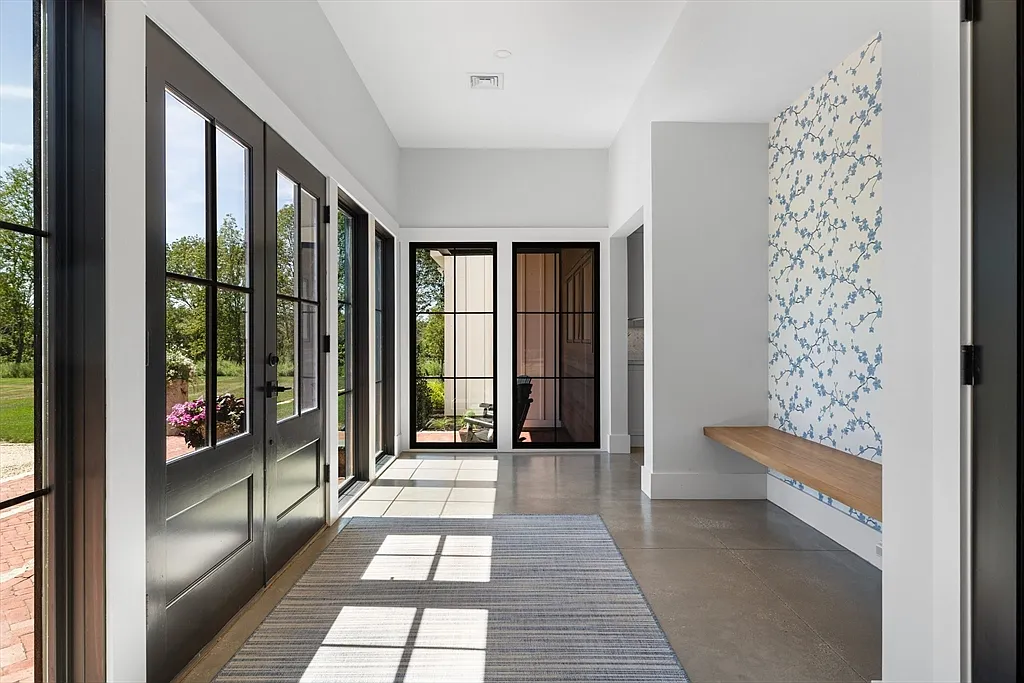
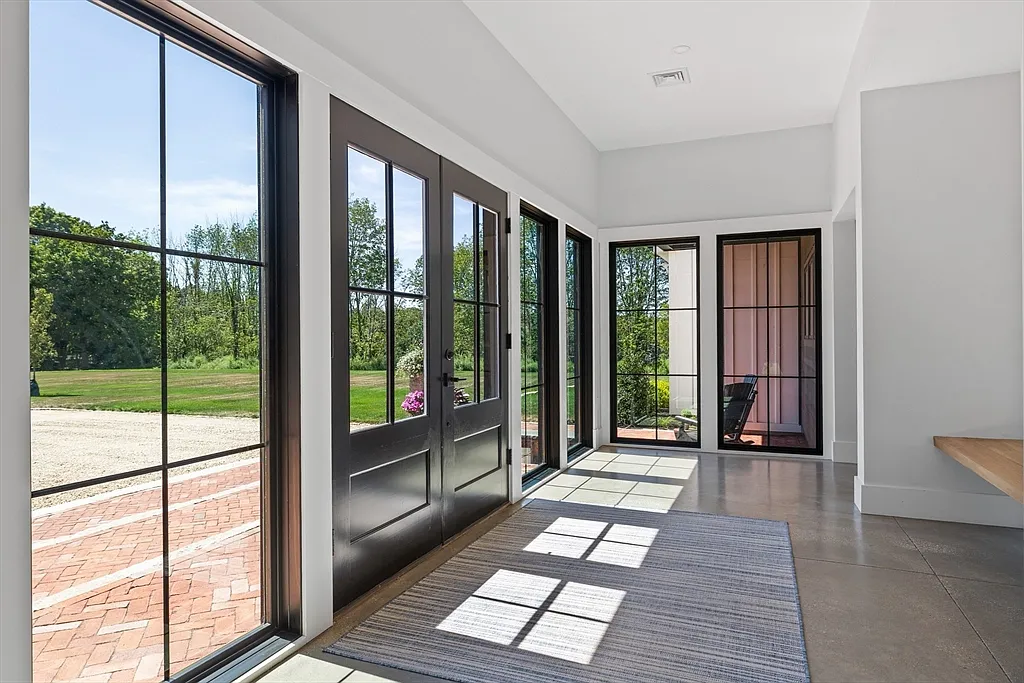
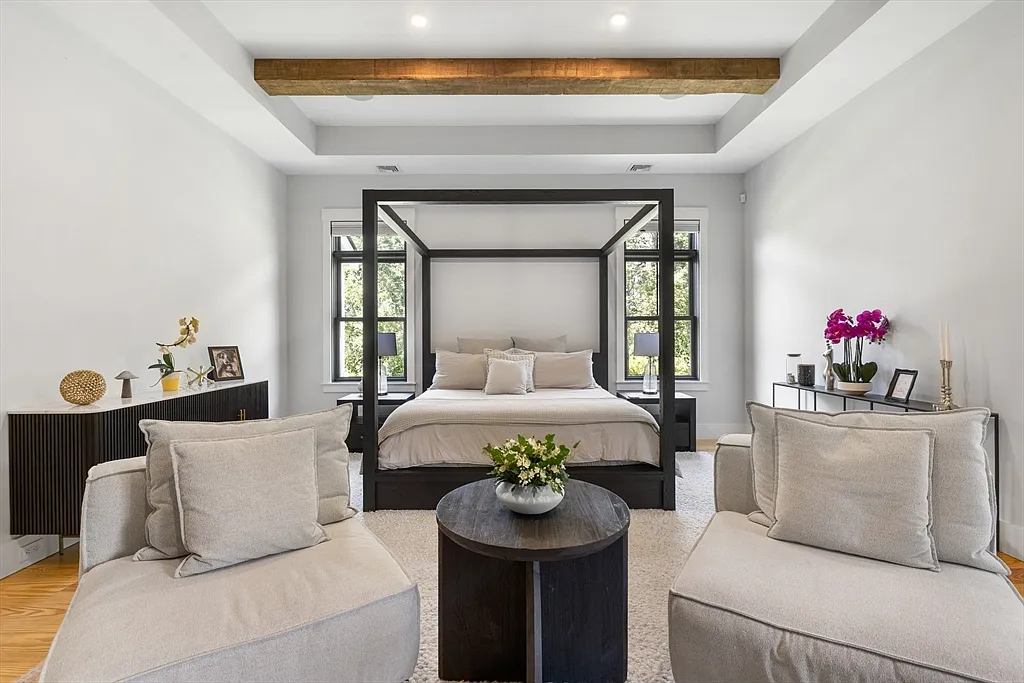
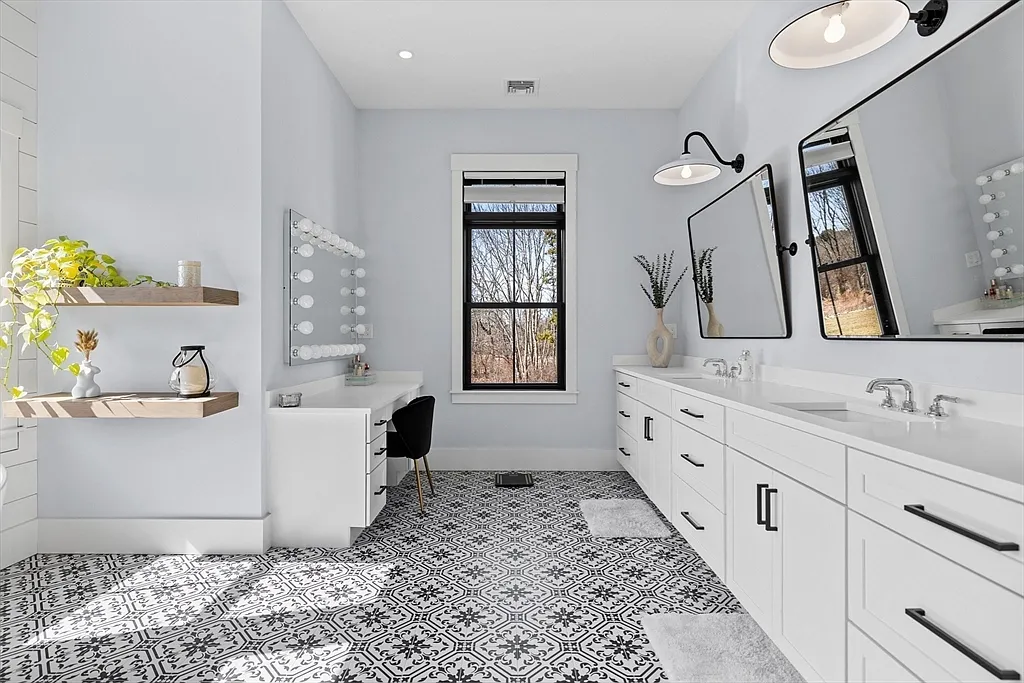
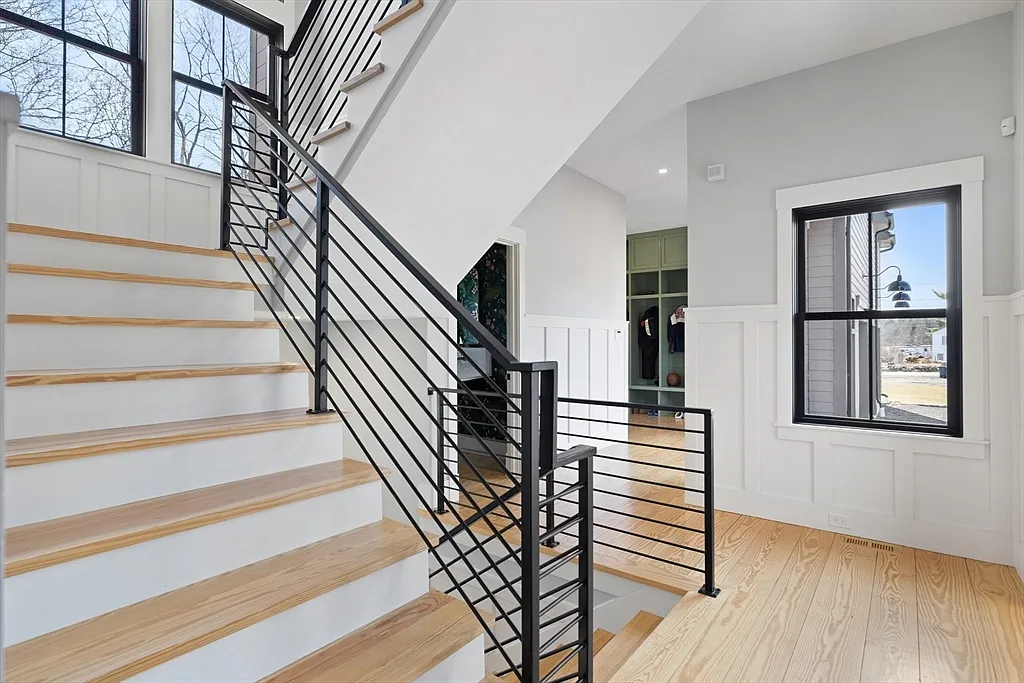
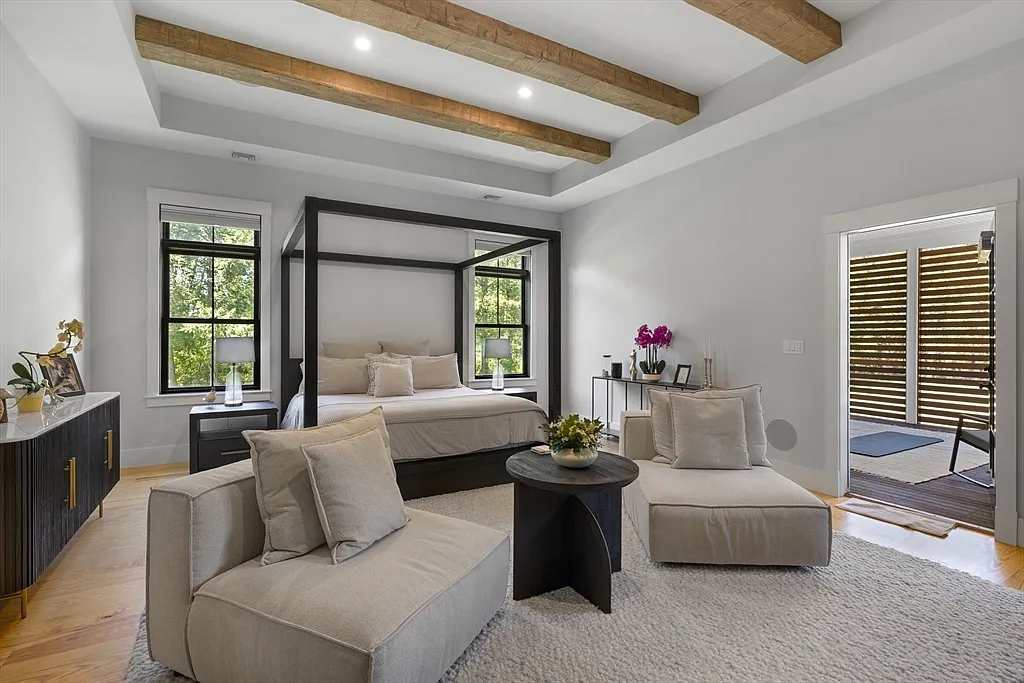
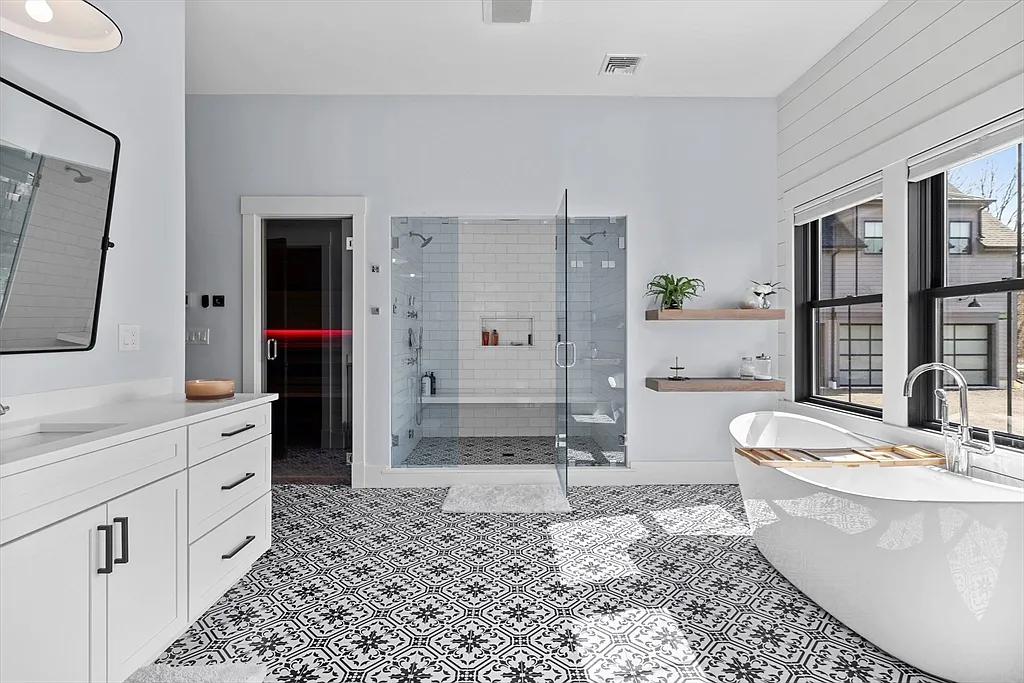
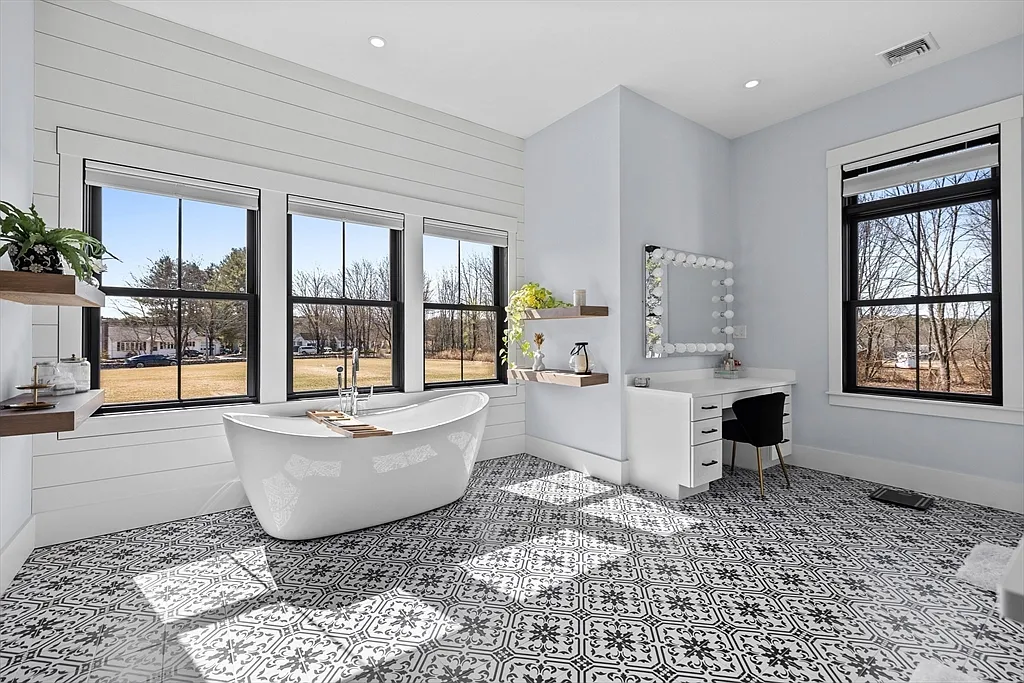
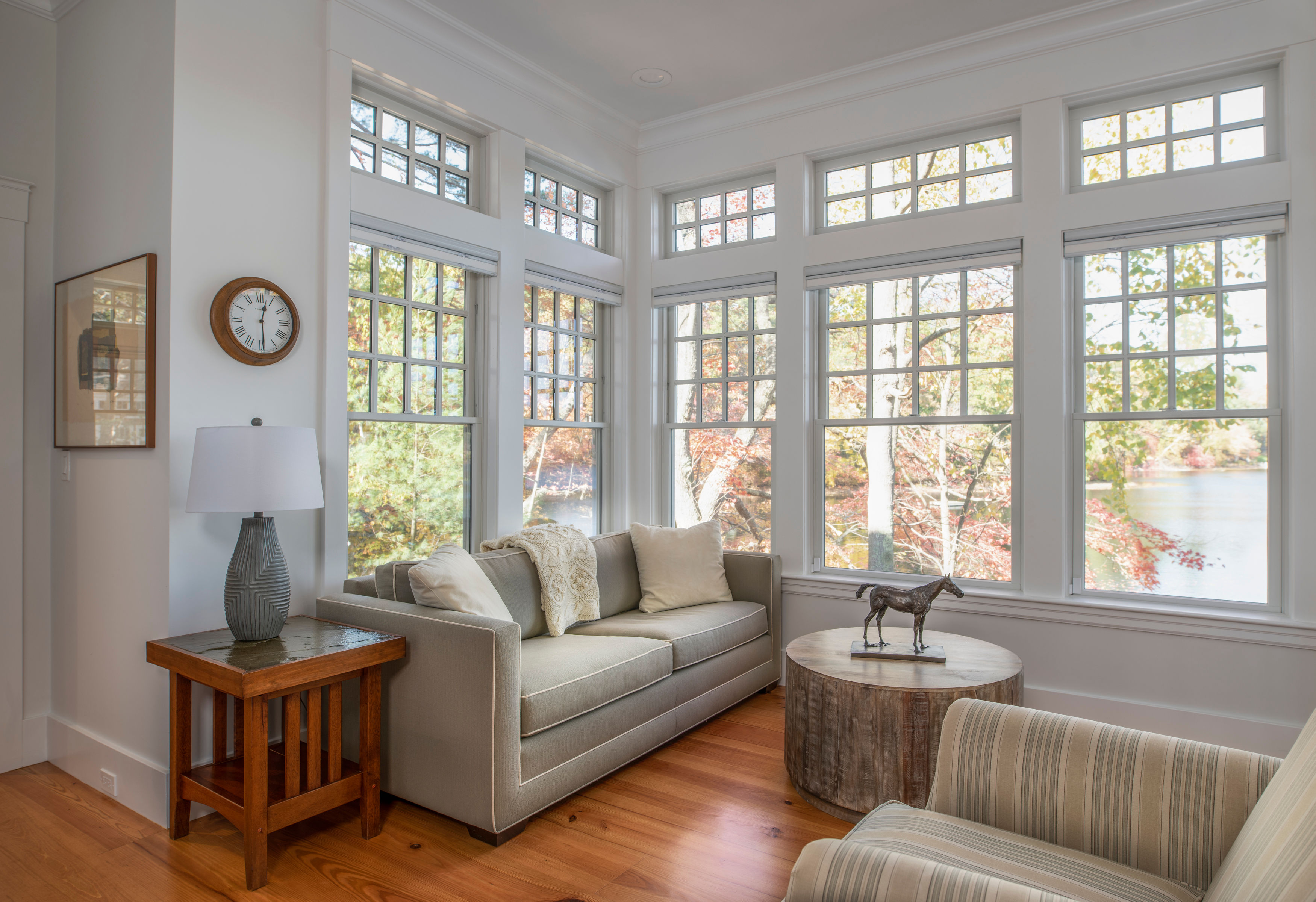
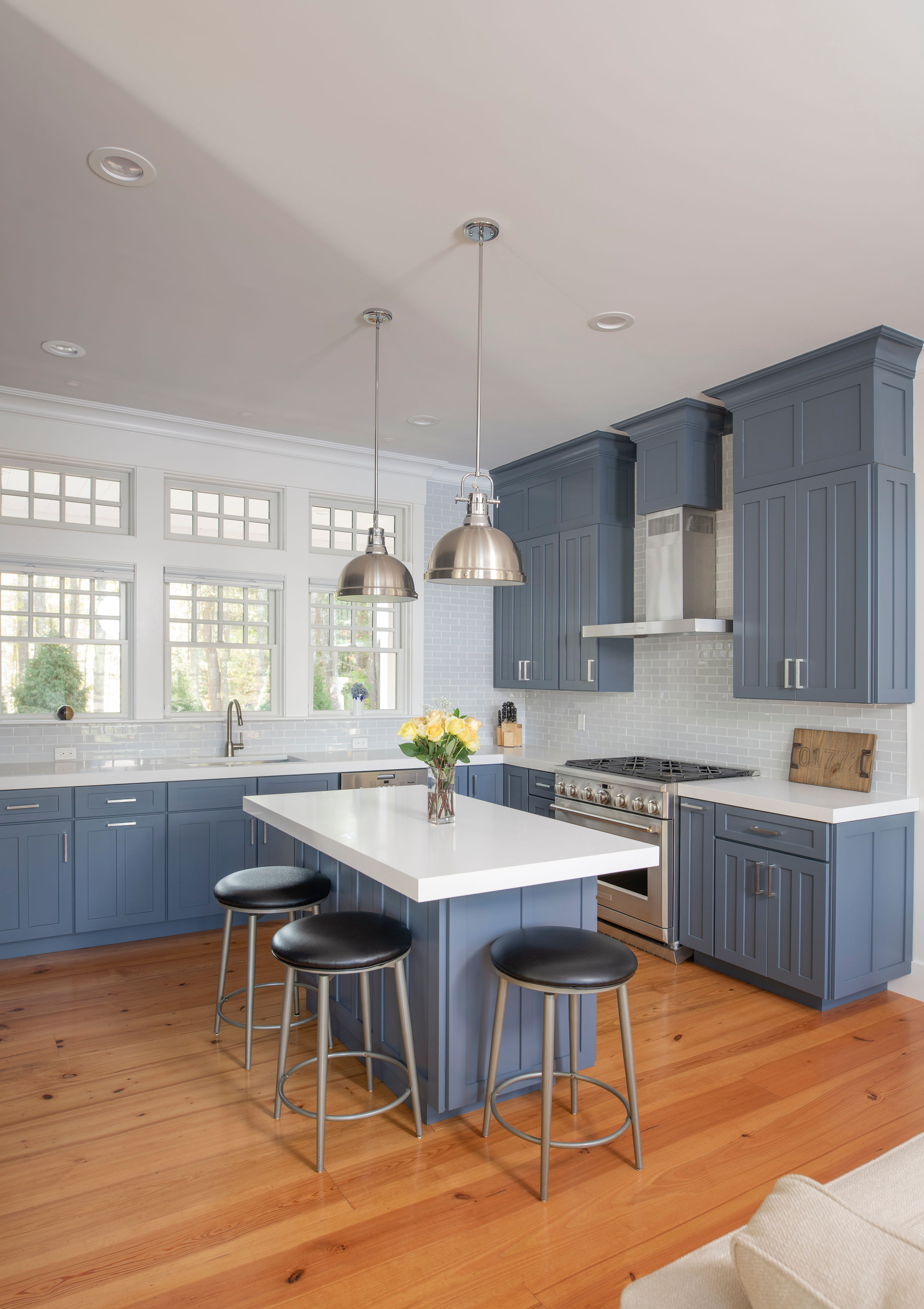
From your essential floorplan through the pitch of the roofline, how ceiling heights shift between spaces, and where windows are placed relative to the path of winter sun — we sweat the details. That's what makes a house feel right the moment you walk in, and what makes it hold its character 30 years from now.

Our designers work through those decisions before construction begins, using 3D modeling and photo-realistic renderings in Chief Architect software so you can see and refine exactly what you're building before a single footing is poured.

We're specialists in navigating setback requirements, Conservation Commission reviews, and historic district guidelines that vary across New England's cities, towns, and coastal regions — so regulatory reality is built into the design from day one.

Home types we design
Colonial Cape Ranch Farmhouse Shingle Style Contemporary Coastal 1½ story homes Modern/traditional blends Passive & energy-efficient Multi-generational Second homes & Cape Cod
25+
Years in New England
1,500–8,000+ Sq. Feet
Project sizes handled
6
States served
3D
Renderings included
Custom Homes completed by GMT
Why GMT

Taking the risk out of custom homebuilding

Your custom home is a big investment and a complex project, with many variables. GMT reduces risk and stress with three outstanding qualities that work together from first concept through move-in.

Creative problem-solving

We explore ideas together that maintain cost discipline while achieving the effects you want — often finding multiple ways to deliver on your goals.

True buildable plans

Our comprehensive construction drawings give builders a reliable set of plans to work with, including localized building code requirements, detailed framing plans, story poles, cross-sections, and more.

Execution clarity

Our collaborative, communicative approach keeps you informed at every step — resolving hurdles before they become surprises.

How we work

We work your way

GMT works in the construction approach of your choice. Both paths use the same high standard of design and documentation — the difference is how and when the builder enters the picture.

Sustainability & wellness

Wellness and efficiency — by design

GMT treats air quality and energy efficiency as design constraints, not afterthoughts. Decisions about building orientation, air circulation, window placement, and green building materials happen during schematic design, when they're easy to incorporate rather than expensive to change.

The result is homes that are healthier, quieter, more comfortable, and lower cost to operate.
Passive House LEED ENERGY STAR Air & water quality Resilient design

Ready to talk about your custom home?

GMT designs custom homes throughout New England. Contact us today to get started.

Contact us today

Frequently asked questions


For a typical custom home in New England, plan on 15 to 24 months from initial design through move-in — sometimes longer for complex sites or projects in towns with multi-step permitting. The rough breakdown: design and construction documents take 3 to 6 months depending on scope and how quickly decisions get made. Permitting varies significantly — a straightforward project in a cooperative municipality might take 6 weeks; a home near wetlands or in a historic district can take 6 months. Construction typically runs 10 to 14 months. GMT's process front-loads design decisions, which is why our projects rarely stall once framing starts.
New England has some of the most layered residential permitting requirements in the country — and unlike many regions where state rules are fairly uniform, requirements here vary significantly by state, town, and site. A home in Weston faces different permitting processes for new construction vs. the permitting for a similar project in Sudbury. Cape Cod projects often involve the Cape Cod Commission as an additional review layer. Coastal Maine, New Hampshire, Rhode Island, and Connecticut each have their own coastal permitting frameworks. GMT has worked through Conservation Commission hearings, coastal commission reviews, DEP filings, Variance applications, and historic district approvals throughout the region — and we build permitting reality into the project timeline from day one.
Every family situation is different. In practice, multigenerational design may mean multiple or first-floor primary suites, separate entry points, distinct acoustic zones, and careful thought about where mechanical systems live. A parent-in-law suite that shares a wall with a teenager's bedroom — or a secondary kitchen vented through the main living area — creates friction that no amount of good intentions fixes. Part of GMT's approach is designing the shared spaces as intentionally as the private ones: a covered connection between a detached suite and the main house, a shared mudroom with separate entries, a sitting area that buffers a primary suite from an active shared living room. There are also regulatory considerations most people don't anticipate — different New England states have specific rules about what constitutes a legal accessory dwelling versus an in-law suite.
The fundamental difference is who you contract with and when construction costs get finalized. In a design/build arrangement, you work with one unified team — GMT partnered with a select builder — for both design and construction. This allows pricing to happen earlier and means fewer change orders because the builder is involved during design. In a traditional design-bid-build arrangement, GMT completes design and construction documents first, then you bid the finished plans to multiple contractors and select one to build. GMT works both ways and will help you determine which approach serves your specific project, budget, and preferences best.